Some meals are meant to be quick. Others are meant to be remembered. Turkish food usually falls into the second category. Not because it’s dramatic or fancy, but because it asks you to slow down. Just a little.In a city like Calgary, meals are often rushed. Lunch between calls. Dinners between plans. That small pause, it matters more than we think. Walking into a Turkish restaurant in Calgary doesn’t feel noisy. It feels warm. Familiar, but still interesting. You smell the food first. Then you look at the menu. And suddenly, you slow down. Everything sounds good, just quietly. That’s usually where people hesitate. So let’s make it easier.
Turkish Food Is About Pace, Not Pressure
Here’s something people don’t say enough. Turkish meals are not designed for urgency. They’re built around choice. How hungry are you? How much time do you have? Are you eating alone, or with people? The answers change the meal completely. That’s the philosophy behind Turkish cuisine. Nothing is random. In Calgary, Turkish food has found its place because it fits modern life without fighting it. Some days you want something fast. Other days you want to sit. Turkish food lets you decide. That’s why Calgary Turkish dining has grown quietly. No hype. Just repeat customers.
What defines Turkish cuisine at its core:
- Meals are designed around time, not speed
- Flavors stay balanced, never aggressive
- Food is meant to be eaten warm, not rushed
- Portions feel complete, not excessive
- Sharing is encouraged, even when you don’t plan it
Short meals still feel proper. Long meals feel earned. That balance matters.
Reading the Menu Without Overthinking It
The first mistake people make is trying to understand everything at once. You don’t need to. A good Turkish cuisine menu is laid out simply for a reason. Each section has a role. Wraps exist for speed. Plates exist for balance. Platters exist for sharing. If you understand that, the rest becomes easier. Let’s break it down.
How to read a Turkish cuisine menu the right way:
- Wraps = movement, quick decisions
- Plates = pause, sit-down comfort
- Platters = people, shared experience
- Rice and salad are part of the meal, not extras
- Desserts are meant to finish gently, not overload
If you understand this structure, ordering becomes simple. No guessing. No regret orders.
When You Want Something Quick (But Not Careless)
Some days are rushed. Meetings. Errands. Short breaks. This is where wraps shine. They’re structured. Clean. Balanced. Not messy. Not overloaded. A wrap is meant to be eaten without thinking too much. You pick it up. You take a bite. The flavors stay consistent from start to finish. That consistency is intentional. Turkish food doesn’t rely on heavy sauces to hide mistakes. It relies on proper preparation. This part of the Turkish food menu works well for lunch or takeout, especially when time is limited.
Why wraps work so well:
- Easy to eat, no mess
- Flavors stay consistent from first bite to last
- Balanced meat-to-bread ratio
- Suitable for lunch breaks or short stops
- Still feels like real food, not fast food
Quick doesn’t mean careless here. That’s the difference.
Plates Change the Rhythm
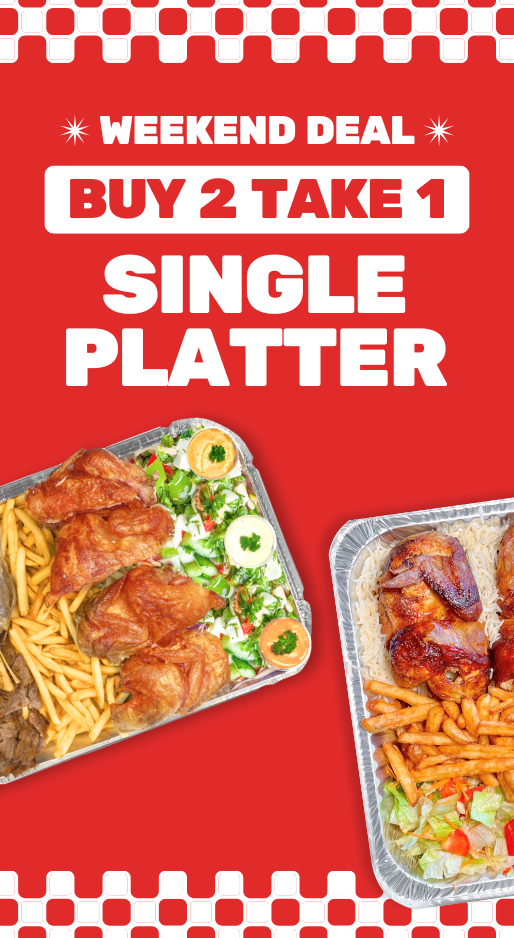
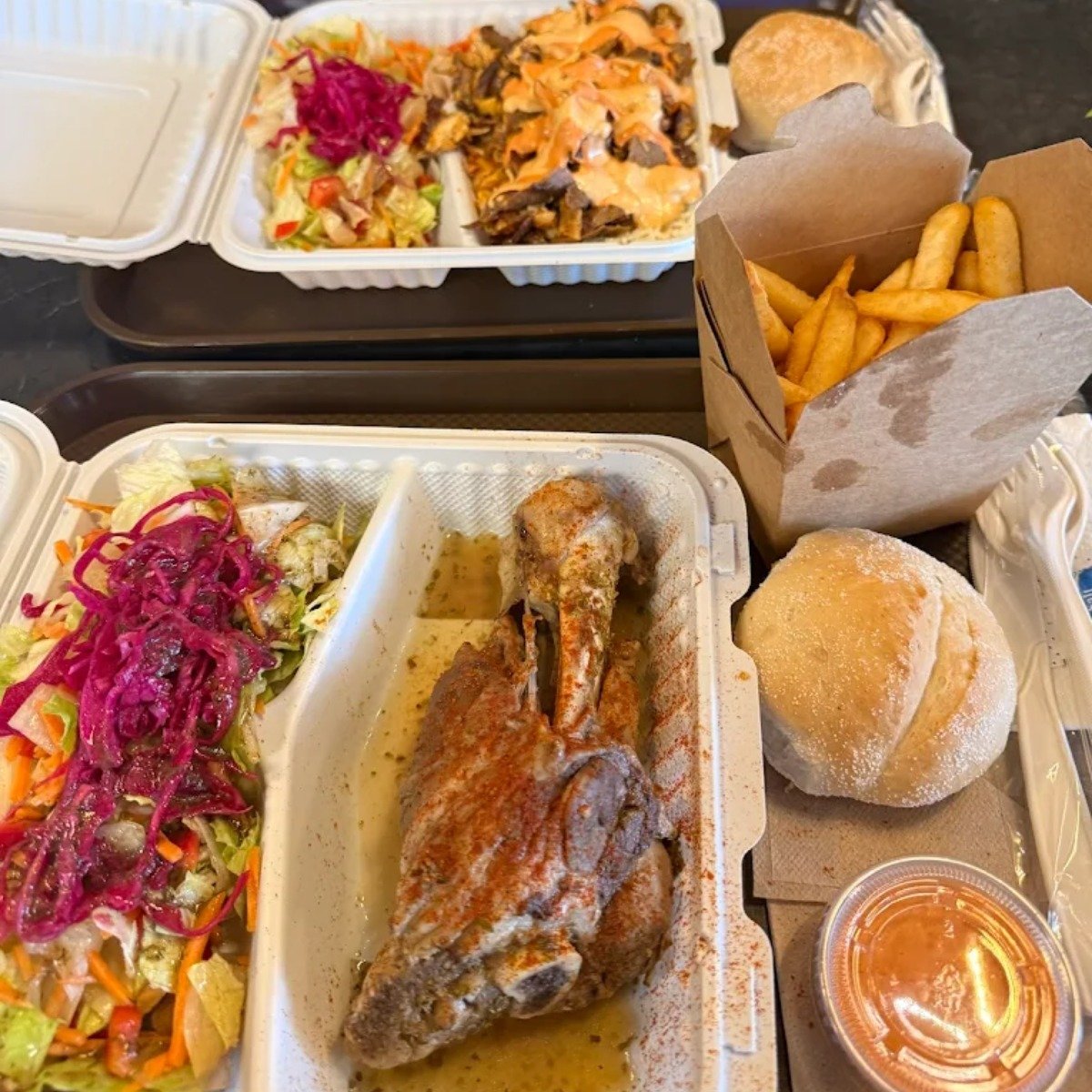
Plates slow things down. Naturally. A plate isn’t just food placed on a dish. It’s an invitation to sit. Rotisserie-style cooking, properly done, doesn’t need decoration. You see it. You smell it. You understand it before the first bite. Rice is not a side here. It’s part of the meal. Same with salad. Everything has a purpose. Nothing feels like filler. This is where people start noticing why Turkish meals feel complete without being heavy.
Platters Are Where Turkish Food Makes Sense
If you’re eating with others, this is the moment you shouldn’t skip. A Turkish platter changes how people behave at the table. Plates stop being personal. Food moves. Conversations are slow. Someone reaches across. Someone waits. It becomes shared. A family platter isn’t about size. It’s about togetherness. You don’t order it to show off. You order it because you don’t want to choose just one thing. And honestly, you shouldn’t have to. This style of eating reflects the culture behind the food. Meals are social. Even when you don’t plan them to be.
Why This Style Works So Well in Calgary
Calgary has variety. A lot of it. But people still come back to places that feel dependable.
Turkish food offers:
- consistency
- comfort
- flexibility
That’s why places like The Turkish Rotisserie build loyal customers without chasing trends. People return because they know what they’re getting. Real food. Proper portions. No shortcuts. The appeal of Calgary Turkish dining is simple. It fits into everyday life without trying to redefine it.
Common Ordering Mistakes (Worth Avoiding)
It happens more than you think.
- Ordering too much, too fast
- Ignoring platters when dining in groups
- Treating the meal like fast food
- Rushing through it
Turkish meals reward patience. Even a few extra minutes makes a difference.
Choosing the Right Experience for the Day
Not every visit needs to be the same. Some days:
- You grab a wrap and go
Other days:
- You sit with a plate
- You share a platter
- You stay longer than planned
That flexibility is built into the Turkish cuisine menu. It’s not accidental. It’s cultural.
FAQS
Q1. What’s a good first order at a Turkish restaurant in Calgary?
If it’s your first visit, a wrap or a plate is a safe start. Eating with others? A platter usually works best.
Q2. Does Turkish food feel heavy after eating?
Not really. Turkish meals are built around balance, so you feel full, not uncomfortable.
Q3. Are Turkish platters good for families or groups?
Yes. Platters are made for sharing, so everyone gets options without ordering too much.
Q4. Is authentic Turkish food available in Calgary?
Yes. Places like The Turkish Rotisserie focus on traditional cooking and consistent flavors.
Q5. Can Turkish food work for both quick bites and sit-down meals?
Absolutely. That flexibility is one of the reasons people keep coming back.
Final Thought
Turkish food doesn’t try to grab attention. It doesn’t rush you. It waits. You eat fast or slow. Alone or with people. The food adjusts. Not the other way around. That’s why most people don’t treat it like a one-time meal. They come back. Almost without planning. And maybe that’s exactly why it works.